

The Complete Guide to Choosing New Windows in the UK (2026)

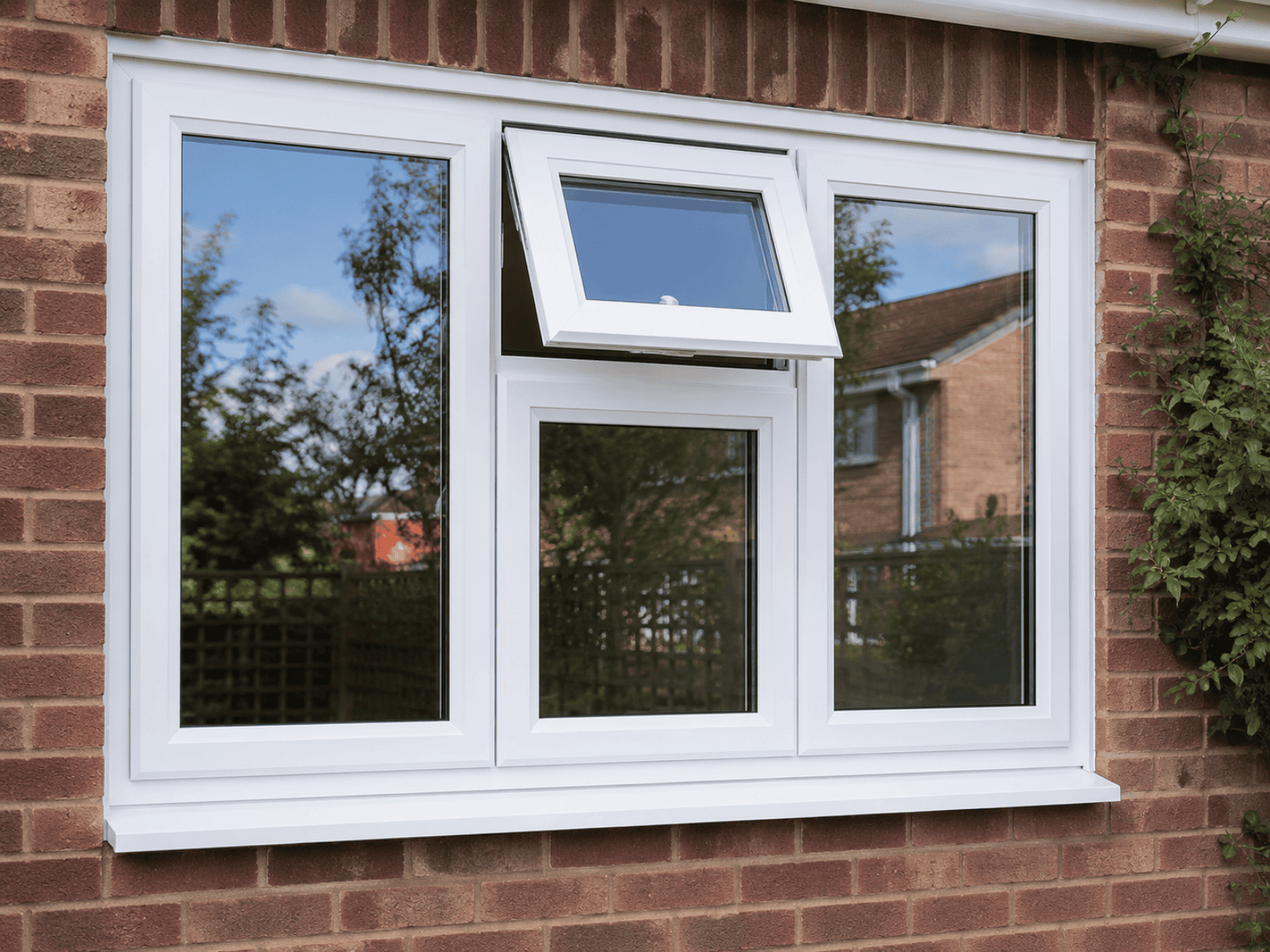
Replacing your windows is one of the few home improvements that changes both the appearance of a property and the way it performs every day. Better insulation, improved security, reduced maintenance, and a brighter living space are all possible, but only if the right products are chosen from the beginning.
With so many styles, materials, glazing options, and price points available, it’s easy to focus on one feature while overlooking another. A window that looks right may not provide the level of insulation required, while the lowest price isn’t always the best long-term investment. Taking the time to understand the differences before making a decision can prevent expensive mistakes later on.
This guide brings together everything worth considering before replacing existing windows or specifying new ones for an extension or self-build project. From frame materials and glazing to energy performance, costs, and installation, each section explains the factors that matter most. More detailed topics are covered in separate guides throughout the site for anyone who wants to compare specific products in greater depth.
Which Windows Are Right for You?
Want the lowest price?
→ uPVC
Want larger glass areas?
→ Aluminium
Live on a busy road?
→ Acoustic glazing
Want better insulation?
→ Triple glazing
Own a period property?
→ Flush casement or sliding sash
Start With the Right Supplier
The quality of a window depends on more than the frame itself. Manufacturing standards, installation, aftercare, and product guarantees all play a significant role in how well the windows perform over the next twenty years.
For that reason, choosing an experienced windows and doors supplier should come before comparing individual products. A reputable supplier will explain the available options, provide accurate surveys, recommend suitable specifications for the property, and ensure every window is installed correctly. Even the highest-quality frame can perform poorly if measurements or fitting standards are compromised.
It is also worth checking accreditations, warranty terms, glazing specifications, and the range of products available rather than making a decision based purely on price.
Choosing the Right Frame Material
Choosing the right frame material is one of the most important decisions when replacing your windows. It affects not only the appearance of your home but also long-term maintenance, energy efficiency, durability and overall cost.
UPVC windows remain the most popular choice across the UK thanks to their excellent insulation, low maintenance requirements and outstanding value for money. If budget is one of your main considerations, our guide to UPVC window prices in the UK explains the factors that influence costs and what you can expect to pay.
Aluminium windows offer a more contemporary appearance with slimmer sightlines and larger glazed areas, making them a popular choice for modern homes, extensions and architectural projects. Although they generally cost more than UPVC, there are also affordable aluminium windows in the UK available for homeowners looking to balance style, performance and budget.
Both materials offer excellent performance when professionally manufactured and installed, so the right choice ultimately depends on your property’s style, priorities and budget. If you’re still deciding between the two, our detailed UPVC vs Aluminium Windows comparison explains the differences in cost, energy efficiency, durability, maintenance and security to help you make an informed decision.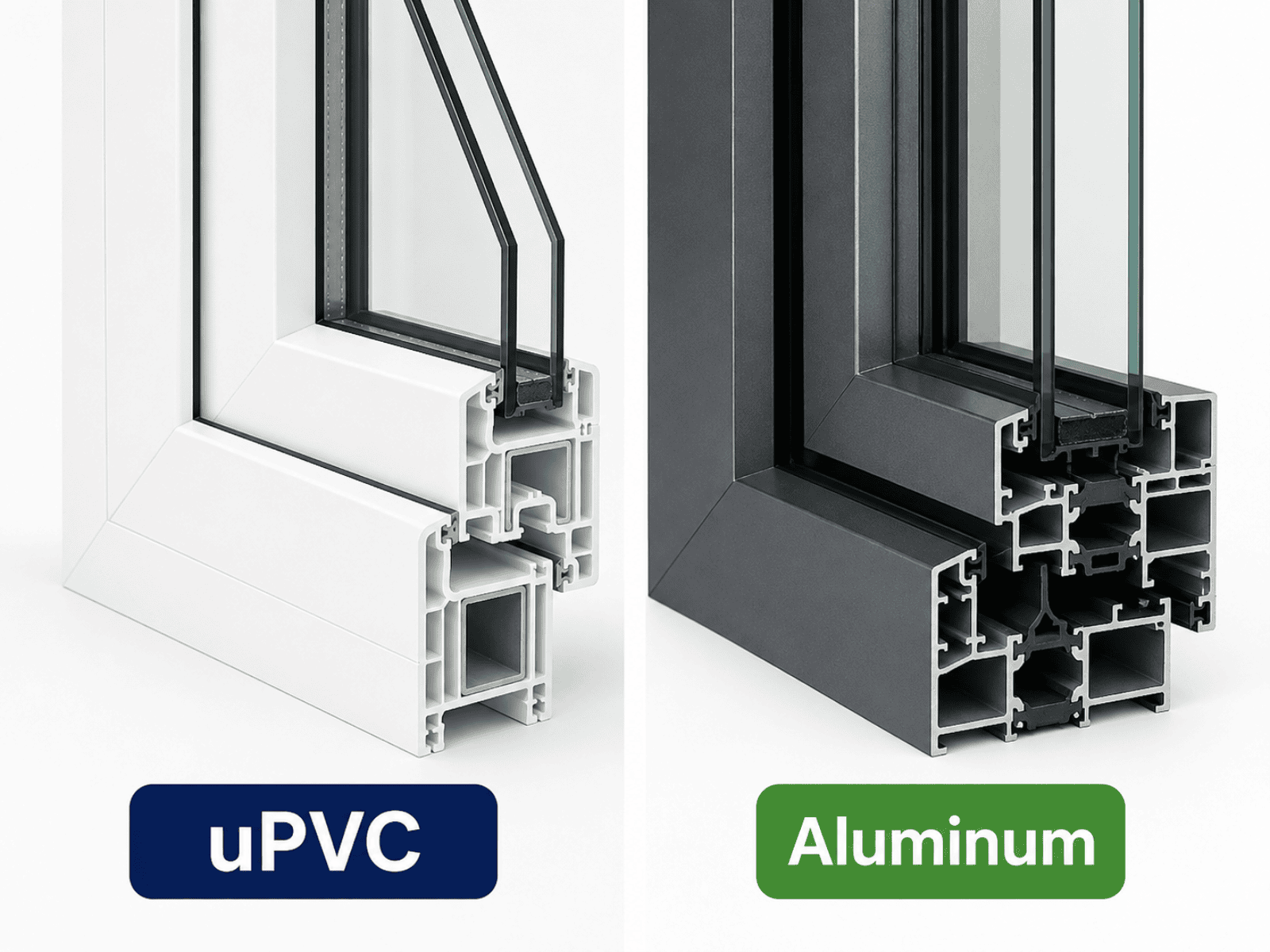
Choosing the Right Window Style
The style of the window has just as much influence on the finished result as the frame material. It affects ventilation, the amount of natural light entering the room, external appearance, and how the windows function in everyday use.
Casement windows remain the most common choice throughout the UK thanks to their versatility. They suit almost every type of property and are available in both uPVC and aluminium. Flush casement windows provide a more traditional appearance by allowing the opening sash to sit level with the outer frame, making them a popular option for cottages, period properties, and homes that favour clean architectural lines.
Sliding sash windows continue to be widely used in Victorian, Georgian, and Edwardian properties, while tilt and turn windows are often selected for apartments and upper floors because they offer flexible ventilation and easier cleaning from inside the property.
Rather than choosing a style based purely on appearance, it’s worth considering how each room is used. A kitchen, bedroom, and bathroom may all benefit from different opening configurations depending on ventilation, access, and available space. It’s equally important to understand the difference between uPVC and aluminium windows before making a final decision, as the frame material will influence maintenance, thermal performance, appearance, and overall cost.
Double or Triple Glazing?
Modern replacement windows are almost always supplied with double glazing, but triple glazing has become increasingly common in recent years, particularly on new-build properties and highly insulated homes.
Double glazing provides an excellent balance between thermal performance, sound reduction, and overall cost for most properties across the UK. Triple glazing adds an additional pane of glass and another insulating cavity, helping to reduce heat loss even further while improving acoustic insulation in certain locations.
The right choice often depends on the property’s construction, location, and budget rather than assuming that more glass automatically means better performance. If you’re unsure which option is more suitable, our comparison of double or triple glazing explains where each performs best.
Understanding Energy Performance
Energy efficiency is no longer just about reducing heating bills. Better-performing windows also improve comfort by reducing cold spots, limiting draughts, and helping maintain a more consistent indoor temperature throughout the year.
Several factors contribute to a window’s overall performance, including the frame material, glazing specification, gas-filled cavities, spacer bars, and installation quality. Looking only at the glass or only at the frame rarely gives the full picture. In the UK, Window Energy Ratings are independently assessed by the British Fenestration Rating Council (BFRC), which grades windows on factors such as heat loss, solar gain, and air leakage to help buyers compare their overall energy performance.
If you’d like a more detailed explanation, read our guide to energy-efficient windows.
How Much Should You Expect to Spend?
Window prices vary considerably depending on the material, size, glazing specification, colour, hardware, and installation requirements. Replacing a few standard windows will naturally cost much less than fitting bespoke aluminium systems across an entire property.
Instead of focusing on the lowest quotation, compare exactly what is included. Glass specification, security hardware, warranties, installation, and aftercare can differ significantly between suppliers, even when two quotes appear similar at first glance.
Understanding where these costs come from makes it much easier to compare quotations fairly and avoid unexpected extras later in the project. Our guide to new window costs explains what influences the final price and what to expect when requesting quotations.
How Long Do New Windows Last?
Modern windows are designed to provide decades of reliable performance, although their lifespan depends on the material, installation quality, and ongoing maintenance. Well-manufactured uPVC windows commonly last between 20 and 30 years, while aluminium frames often remain in excellent condition for considerably longer.
The glass, seals, hinges, handles, and locking mechanisms should also be considered. These components naturally experience wear over time, but many can be replaced without changing the entire window. Regular cleaning, lubrication of moving parts, and occasional adjustments will help keep windows operating smoothly for many years.
Rather than replacing windows simply because they are old, look for signs such as persistent draughts, condensation between glazing panes, difficulty opening or closing, or noticeable deterioration of the frame. These are often better indicators than age alone. Understanding how long windows last can also make it easier to decide whether repair, maintenance, or full replacement is the most sensible option.
Do New Windows Add Value?
New windows can improve the overall appeal of a property, particularly when the existing frames are outdated, damaged, or inefficient. While no installation guarantees a specific increase in property value, modern windows often create a better first impression, improve energy efficiency, and reduce future maintenance requirements.
They can also contribute to a higher EPC rating, improve external appearance, and make living spaces brighter and more comfortable. For anyone planning to sell in the future, replacing ageing windows may help a property present better to prospective buyers, especially when combined with other improvements.
The real benefit, however, is usually experienced long before a property reaches the market. Better insulation, improved security, reduced outside noise, and lower maintenance all contribute to everyday comfort.

Security Features to Look For
| Feature | Why it matters |
| Multi-point locking | Secures the sash at several points |
| Internal beading | Makes removing the glass from outside more difficult |
| Laminated glass | Improves security and impact resistance |
| PAS 24 | Independently tested security standard |
| Secured by Design | Police-backed security accreditation |
Window Buying Checklist
Before placing an order, make sure you’ve considered the following:
- Choose the most suitable frame material for the property.
- Select a window style that suits each room.
- Compare double and triple glazing options.
- Review energy ratings and thermal performance.
- Check security features and locking systems.
- Confirm warranty details.
- Compare quotations on specification, not just price.
- Verify installation accreditations such as FENSA or CERTASS.
- Ask about lead times and aftercare.
- Learn how to measure your windows correctly before requesting quotations, even though a final site survey should always be completed before manufacturing begins.
Spending a little more time at this stage often prevents costly changes once production has started.
Final Thoughts
Choosing new windows involves far more than selecting a frame colour or comparing quotations. Material, glazing, energy performance, opening style, installation quality, and long-term maintenance all influence how the finished windows will perform over the coming years.
This guide provides an overview of the most important considerations before making a decision. For more detailed advice, continue with the related guides covering frame materials, glazing options, energy efficiency, window lifespans, and installation costs. Together, these resources provide a complete picture of what to expect when planning a window replacement project in the UK.
Frequently Asked Questions
- How long does it take to replace windows?
Most standard window replacement projects are completed within one or two days, depending on the number of windows being installed. Larger properties or bespoke products may take longer, while manufacturing lead times should also be considered before installation begins. - Should I choose uPVC or aluminium windows?
Both materials offer different advantages. uPVC is often chosen for its affordability and low maintenance, while aluminium provides slimmer frames and greater structural strength. The best option depends on the style of the property, budget, and long-term priorities. - Can I get an accurate window price online?
Online estimates can provide a rough indication, but the final cost depends on factors such as measurements, frame material, glazing specification, installation requirements, and optional upgrades. A professional survey is the best way to receive an accurate quotation. - Do UPVC windows need much maintenance?
uPVC windows require very little maintenance. Occasional cleaning and light lubrication of hinges and locks is usually enough to keep them working smoothly. Unlike timber, they don’t need regular sanding, painting, or treatment. - How long do new windows last?
Most modern windows are designed to last for decades. Their lifespan depends on the frame material, installation quality, and ongoing maintenance, with aluminium generally lasting longer than uPVC. - Is triple glazing worth the extra cost?
That depends on the property and its insulation requirements. Triple glazing offers improved thermal and acoustic performance, but it isn’t always the most cost-effective choice for every home. - Do new windows increase property value?
While no installation guarantees a higher property value, replacing outdated windows can improve kerb appeal, energy efficiency, and the overall impression of a property. - How do I know if my windows comply with Building Regulations?
Replacement windows should meet current UK Building Regulations. Using a FENSA or CERTASS registered installer is one of the simplest ways to ensure the installation complies, and the appropriate certification is provided. - Should I measure my own windows before ordering?
Basic measurements are useful when requesting quotations, but manufacturing should only begin after a professional site survey confirms the final dimensions.