

UPVC vs Aluminium Windows: The Ultimate Comparison Guide

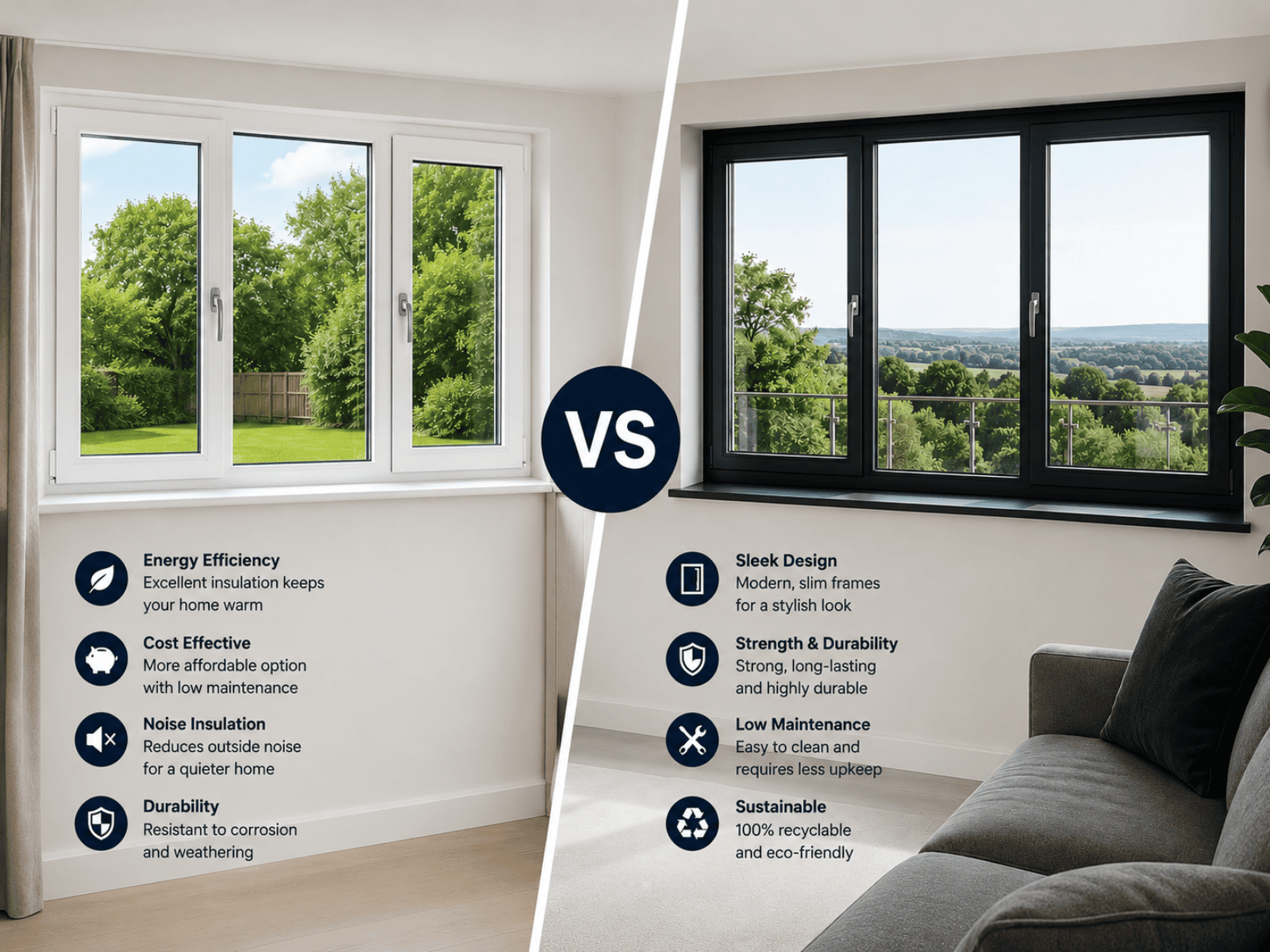
Choosing new windows is a long-term investment, so selecting the right frame material is just as important as choosing the right style or glazing. Two of the most popular options in the UK are UPVC and aluminium windows, both offering excellent performance but for different types of properties and budgets.
While UPVC remains the most common choice for residential homes thanks to its affordability and energy efficiency, aluminium has become increasingly popular for modern properties, extensions and large glazed openings due to its strength and slim sightlines.
If you’re still exploring your options, our The Complete Guide to Choosing New Windows in the UK will help you understand everything from window styles and glazing to installation and ongoing maintenance before making a final decision.
In this guide, we’ll compare UPVC and aluminium windows across the factors that matter most, including cost, appearance, durability, maintenance, security and thermal performance, helping you decide which material is the right fit for your property.
UPVC vs Aluminium Windows at a Glance
| Feature | UPVC Windows | Aluminium Windows |
| Cost | More affordable | Premium option |
| Lifespan | 25–35 years | 40–50+ years |
| Maintenance | Very low | Very low |
| Energy Efficiency | Excellent | Excellent with thermal breaks |
| Security | High | Very high |
| Frame Thickness | Wider profiles | Slim sightlines |
| Best For | Traditional and family homes | Contemporary homes and large glazing |
What Is the Difference Between UPVC and Aluminium Windows?
Although both materials provide excellent insulation, security and durability, they are designed with different priorities in mind.
UPVC windows are manufactured using an insulated plastic profile that offers impressive thermal performance while remaining one of the most cost-effective window solutions available. They are particularly popular for replacement windows, renovations and new-build family homes.
Aluminium windows, on the other hand, use lightweight yet exceptionally strong metal frames. Their strength allows for much slimmer profiles and significantly larger panes of glass, making them a preferred option for contemporary architecture and modern extensions.
Ultimately, neither material is universally better—the right choice depends on your property’s design, your budget and the level of performance you’re looking to achieve.
UPVC vs Aluminium Windows Cost
For many homeowners, cost is one of the biggest deciding factors.
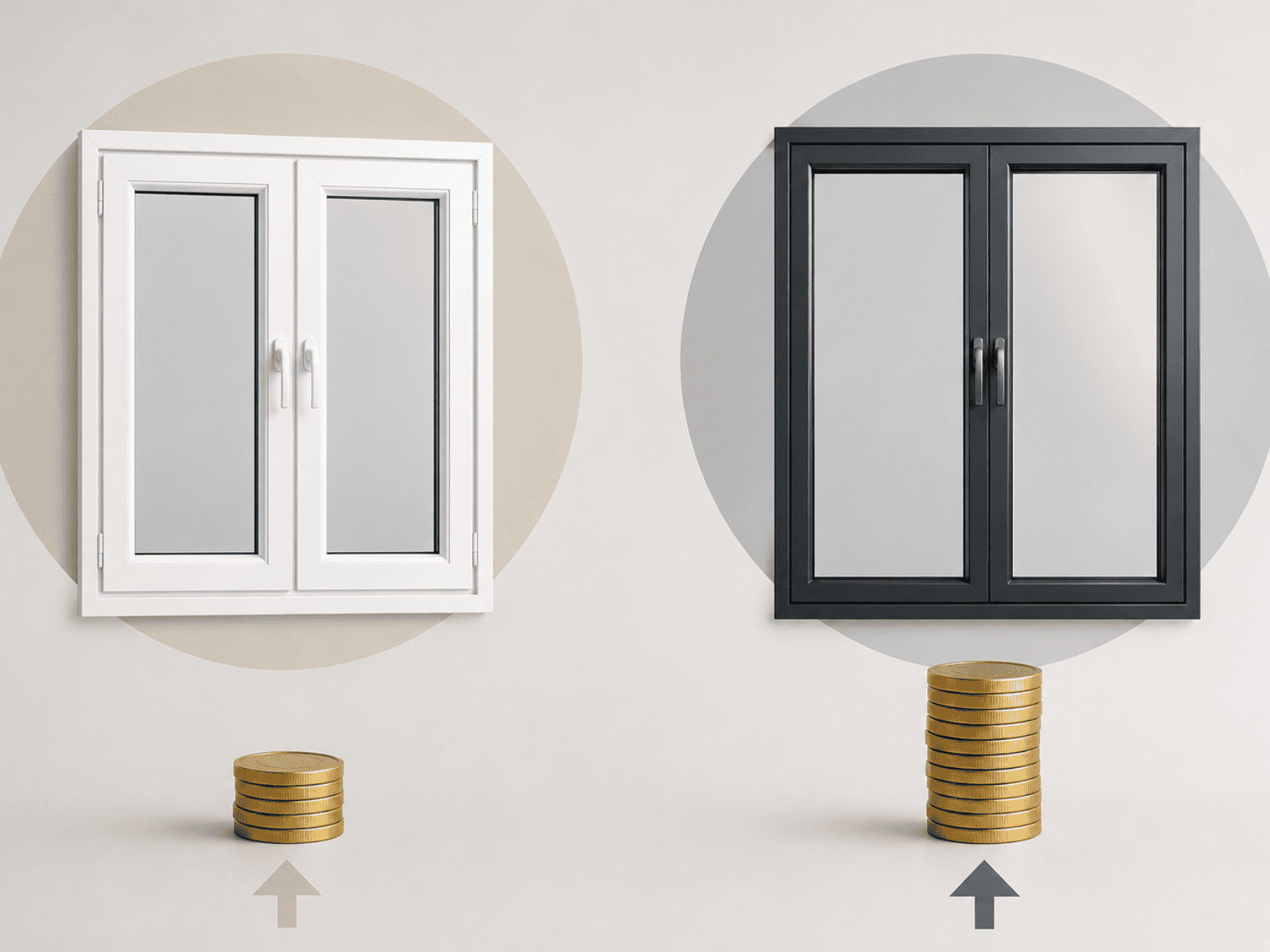
In most cases, UPVC windows cost less than aluminium alternatives because the material itself is less expensive to manufacture and fabricate. Installation costs are also generally lower, making UPVC an attractive option for homeowners looking to improve energy efficiency without exceeding their budget.
Aluminium windows typically require a larger upfront investment. However, their longer lifespan, slim profiles and premium appearance often justify the additional cost for homeowners prioritising aesthetics and long-term value.
If you’re researching aluminium windows cost per window, remember that pricing varies depending on factors such as window size, glazing specification, hardware, colour finish and installation requirements rather than the frame material alone.
For a more detailed breakdown of pricing, installation costs and the factors that influence quotations, see our guide on How Much Do New Windows Cost in the UK.
Which Material Looks Better?
Appearance is often where aluminium windows stand out.
Because aluminium is significantly stronger than UPVC, manufacturers can produce much slimmer frames without compromising structural performance. This allows for larger glazed areas, more natural light and cleaner, contemporary lines that complement modern architecture.
UPVC windows, however, have evolved considerably over the past decade. Modern profiles are available in a wide range of colours, woodgrain finishes and flush designs that replicate traditional timber windows surprisingly well. For many homeowners, particularly those renovating period properties, modern UPVC provides an excellent balance between appearance and practicality.
Whether you choose UPVC or aluminium, selecting the right frame style is just as important as choosing the material itself. Properties ranging from Victorian terraces to contemporary new-build homes can all benefit from different window combinations depending on their architectural style.
Which Is More Energy Efficient?
Both UPVC and aluminium windows can deliver excellent thermal performance when manufactured to modern standards and installed correctly.
UPVC naturally provides strong insulation, while modern aluminium windows use thermally broken frames to minimise heat transfer and improve energy efficiency. As a result, both materials are capable of meeting current UK Building Regulations when paired with high-performance glazing.
Rather than focusing solely on the frame material, it’s important to consider the complete window system, including the glazing specification, frame design and installation quality.
If you’d like to learn more about U-values, glazing options and what makes a window energy efficient, read our guide to Energy Efficient Windows.
Which Material Lasts Longer?
Both materials are designed for long-term performance, although aluminium generally has the longer lifespan.
| Feature | UPVC | Aluminium |
| Typical Lifespan | 25–35 Years | 40–50+ Years |
| Corrosion Resistance | Excellent | Excellent |
| Weather Resistance | Excellent | Excellent |
| Maintenance | Low | Very Low |
UPVC is extremely resistant to moisture, rot and corrosion, making it a practical solution for most residential properties. Modern profiles retain their appearance for decades with very little maintenance beyond occasional cleaning.
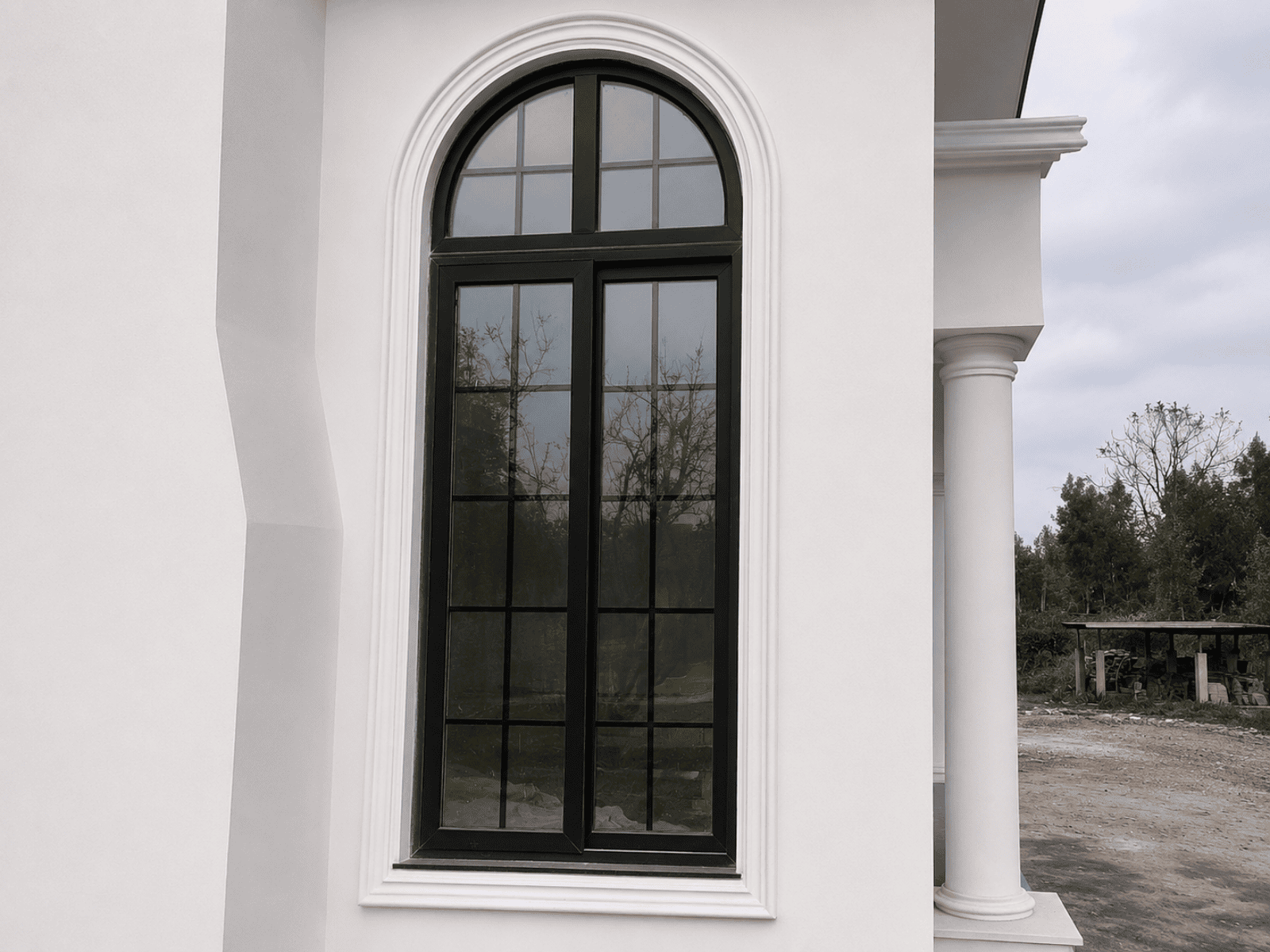
Aluminium offers even greater structural strength and is less likely to warp or expand over time. Powder-coated finishes also provide exceptional resistance against fading and weathering, making aluminium particularly well suited to exposed coastal and urban environments.
If longevity is one of your priorities, you may also find these guides useful:
- How Long Do UPVC Windows Last?
- How Long Do Aluminium Windows Last?
Both explain the factors that influence lifespan, including installation quality, maintenance and environmental conditions.
Maintenance Requirements
One of the biggest advantages of both materials is how little maintenance they require compared with traditional timber windows.
UPVC Windows
UPVC only needs occasional cleaning with warm soapy water to keep the frames looking their best. Because the material won’t rot, flake or require repainting, ongoing maintenance costs remain very low throughout its lifespan.
Aluminium Windows
Aluminium windows are equally easy to maintain. Their durable powder-coated finish helps resist fading, corrosion and surface damage, meaning routine cleaning is usually all that’s required.
For most homeowners, maintenance should not be the deciding factor, as both materials offer excellent long-term durability with minimal upkeep.
Security
Modern UPVC and aluminium windows both provide high levels of security when fitted with quality locking systems.
Many systems include:
- Multi-point locking mechanisms
- Internally glazed units
- Toughened or laminated glass options
- Reinforced frames
- PAS 24 compliant hardware (where specified)
Because aluminium is naturally stronger than UPVC, it can provide additional structural rigidity for larger windows. However, for the majority of residential properties, both materials offer an excellent level of protection when professionally manufactured and installed.
If you’re planning a complete home upgrade rather than replacing windows alone, professional windows and doors installation in the UK ensures every product is fitted correctly to maximise security, energy efficiency and long-term performance.

Pros and Cons of UPVC Windows
Advantages
- More affordable than aluminium
- Excellent thermal performance
- Low maintenance and easy to clean
- Available in a wide range of colours and finishes
- A great choice for most residential properties
Disadvantages
- Thicker frames than aluminium
- Less suitable for very large glazed openings
- Doesn’t offer the same contemporary appearance as slimline aluminium
Pros and Cons of Aluminium Windows
Advantages
- Slim, modern sightlines
- Strong yet lightweight frames
- Ideal for large glazed areas
- Exceptional durability
- Premium architectural appearance
Disadvantages
- Higher upfront cost
- Less cost-effective for budget-conscious projects
- Some bespoke finishes may increase lead times
UPVC vs Aluminium: Quick Decision Guide
| If you want… | Choose |
| The most affordable option | UPVC |
| Slim modern frames | Aluminium |
| Maximum natural light | Aluminium |
| Excellent thermal efficiency on a budget | UPVC |
| Minimal maintenance | Either |
| Contemporary architecture | Aluminium |
| Traditional family homes | UPVC |
| Long-term premium investment | Aluminium |
If you’re currently searching for white UPVC windows near me, remember that colour is only one part of the decision. Frame material, glazing specification, installation quality and the style of your property will all have a greater impact on long-term performance and satisfaction.
Final Thoughts
Both UPVC and aluminium windows offer outstanding performance, durability and security, making either a worthwhile investment for your home.
If affordability, excellent insulation and low maintenance are your priorities, UPVC windows continue to provide exceptional value and remain one of the UK’s most popular choices.
If you’re aiming for a more contemporary appearance with slimmer frames, larger areas of glazing and maximum longevity, aluminium windows are likely to be the better option.
Rather than asking which material is objectively better, it’s more useful to ask which one is better for your property, your budget and your long-term goals.
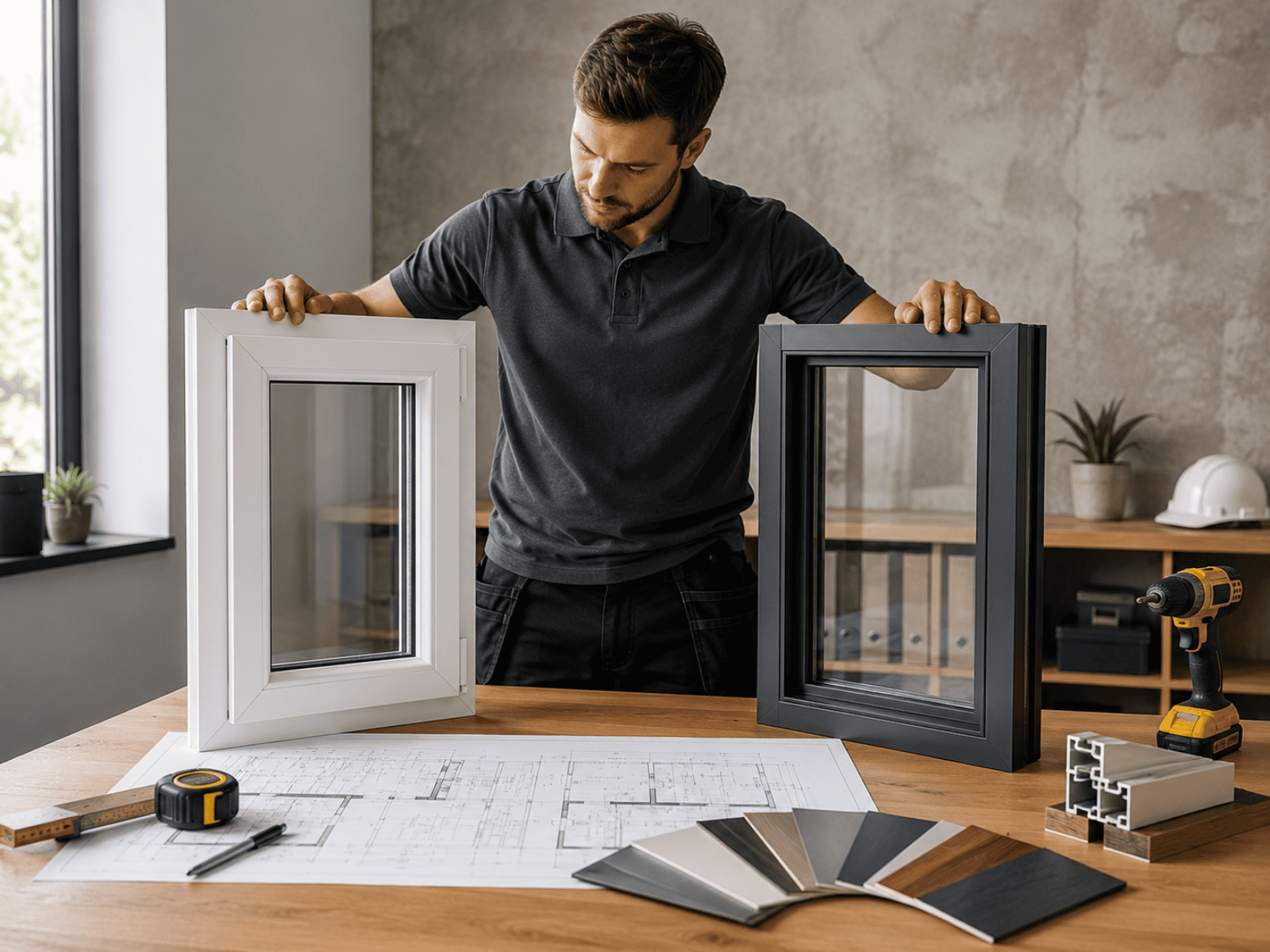
Whether you’re replacing a single window or planning a complete renovation, taking the time to compare materials, glazing options and installation methods will help you make a decision you’ll be happy with for many years to come.
Frequently Asked Questions
- Are UPVC windows more energy efficient than aluminium?
Not necessarily. Modern UPVC windows naturally provide excellent insulation, while today’s aluminium windows use advanced thermal break technology to achieve comparable energy performance. In most cases, the glazing specification and installation quality have a greater impact than the frame material itself. - Are aluminium windows worth the extra cost?
If you’re looking for slim sightlines, larger glazed areas and a contemporary appearance, aluminium windows are often worth the additional investment. They also offer exceptional durability and a longer expected lifespan, making them a popular choice for modern homes and architectural projects. - Which windows last longer?
Both materials are designed to last for decades, but aluminium windows generally have a longer service life. High-quality UPVC windows typically last between 25 and 35 years, while well-maintained aluminium windows can exceed 40 years. - Which windows require less maintenance?
Both UPVC and aluminium require very little maintenance compared with traditional timber windows. Regular cleaning and occasional hardware checks are usually all that’s needed to keep them performing at their best. - Which material offers better security?
When fitted with modern locking systems and installed correctly, both UPVC and aluminium windows provide excellent security. Aluminium offers additional structural strength, particularly for larger window openings, but both materials are suitable for modern residential properties. - Can both UPVC and aluminium windows be double or triple glazed?
Yes. Both frame materials are available with double or triple glazing, allowing homeowners to choose the most appropriate specification for their budget, energy efficiency goals and property type.