

What Are Energy-Efficient Windows? UK Guide to Types, Costs & Savings

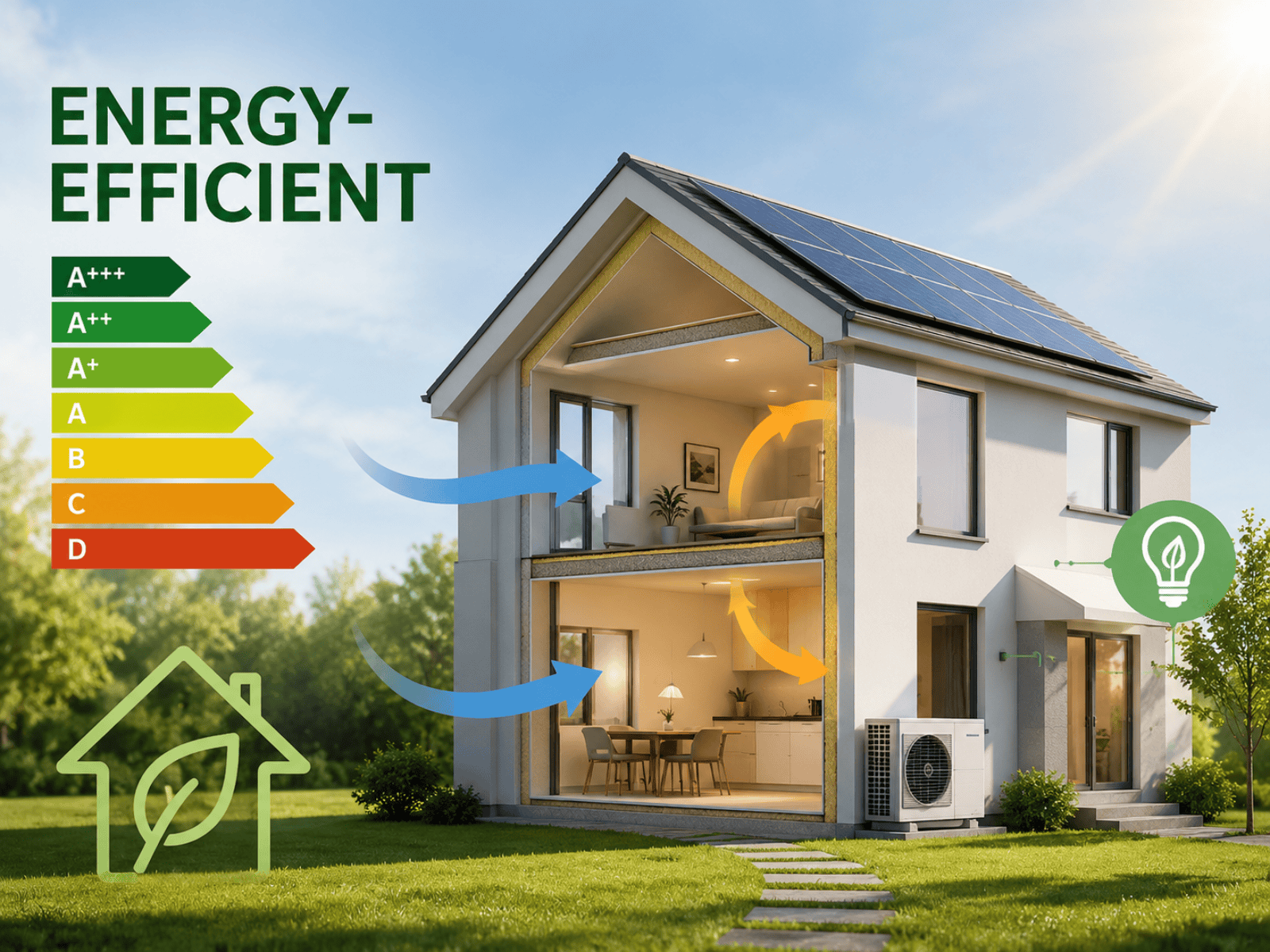
Quick answer: Energy-efficient windows are windows built to keep heat inside your home and cold air out, using features like double or triple glazing, low-E coated glass, warm-edge spacers, and insulated uPVC or aluminium frames. In the UK, they’re rated on the BFRC scale from A++ down to G, with anything B or above meeting current Building Regulations. A typical semi-detached home can save around £140–£195 a year on heating once single glazing is replaced, alongside less draught, less condensation, and a quieter house.
If you’re still deciding between materials or budgets first, our complete guide to choosing new windows in the UK covers the full buying journey — this article zooms in specifically on the energy side of things.
What Does an Energy-Efficient Window Actually Mean?
An energy-efficient window isn’t a single product — it’s a combination of frame, glass, and seal working together to reduce heat loss (measured as a U-value) while still letting useful solar warmth in. The lower the U-value, the better the insulation. Most new-build and replacement windows sold in the UK today are double-glazed as standard, but “energy-efficient” really refers to the whole package: glazing type, coatings, gas fill, spacer bars, and how airtight the installation is.
Reasons to Choose Energy Efficient Windows
- Lower heating bills — less warm air escapes through the glass and frame
- A warmer, more even home — fewer cold spots near windows
- Reduced condensation — warmer internal glass surfaces mean less moisture build-up
- Better noise reduction — thicker glazing units dampen outside noise
- Improved security — modern frames come with multi-point locking as standard
- Higher EPC rating — useful if you’re selling or renting your property
- Lower carbon footprint — less gas or electricity burned to heat your home
What Types of Energy-Efficient Windows Are There?
| Type | How it works | Typical U-value |
| Double glazing | Two panes with a gas-filled gap | 1.2–1.6 W/m²K |
| Triple glazing | Three panes, two gaps, maximum insulation | 0.7–1.0 W/m²K |
| Low-E (low emissivity) glass | Invisible coating reflects heat indoors | Improves any of the above by 0.1–0.3 |
| Secondary glazing | An extra internal pane fitted to existing frames | 2.0–2.8 W/m²K |
| Warm-edge spacer units | Insulated spacer bar instead of aluminium, reduces cold bridging at the glass edge | Improves whole-window rating |
For most homes, A-rated double glazing with a warm-edge spacer offers the best balance of performance and price. Triple glazing goes further but comes at a premium — worth it in colder regions or on north-facing rooms, less essential elsewhere.
Double Glazing vs Triple Glazing: Which Should You Choose?
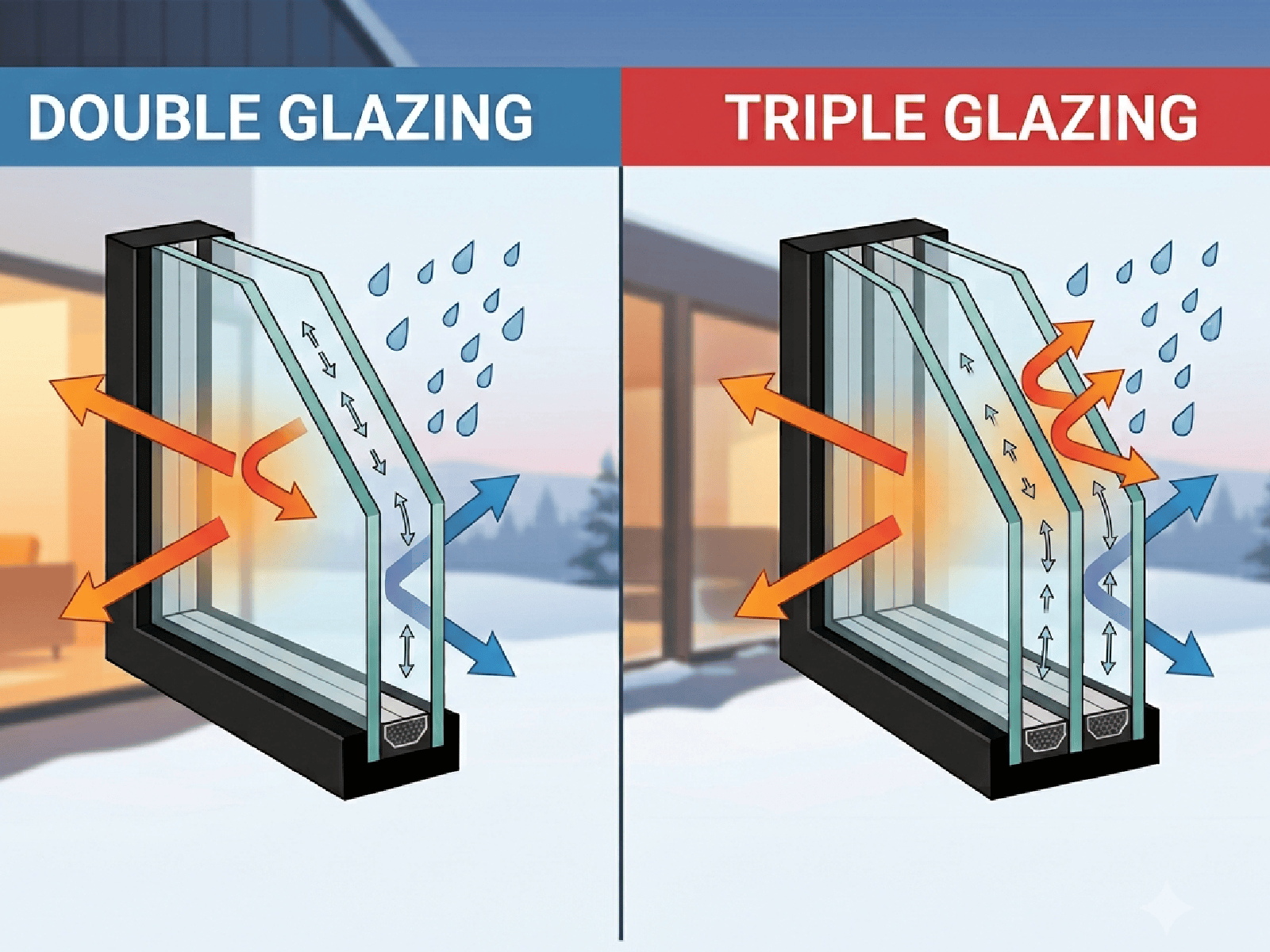
For most UK homes, double glazing remains the standard choice, and for good reason — it strikes a solid balance between cost and performance, with a typical U-value of 1.2–1.6 W/m²K, and it’s what the vast majority of installers fit as their default option. Triple glazing pushes insulation further, bringing U-values down to as low as 0.7–1.0 W/m²K thanks to the extra pane and second gas-filled gap, which makes a noticeable difference in colder regions, in north-facing rooms, or in homes near busy roads where the added glass also helps with noise reduction.
The trade-off is cost and weight: triple glazing typically adds 10–20% to the price of an equivalent double-glazed window, and the extra pane means heavier sashes, which can matter for older frames or larger openings. It also blocks slightly more solar gain, so south-facing rooms that rely on passive winter warmth from the sun may see a smaller net benefit than the U-value alone suggests.
In practice, double glazing is the right call for most homeowners upgrading from single glazing, since the jump in performance is already dramatic and the cost stays manageable. Triple glazing earns its premium in specific situations — a particularly cold or exposed property, a room that’s always been hard to heat, or a renovation where energy performance is the top priority regardless of budget.
What Are Energy Efficient Windows Made Of?
Three things determine performance:
- The frame: uPVC, aluminium, or timber, each with different insulating properties
- The glass: usually double or triple glazed, often with a low-E coating and argon or krypton gas fill between panes
- The spacer bar: the strip separating the panes; “warm-edge” spacers made from composite materials outperform older aluminium spacers, which conduct heat
Frame choice matters more than people expect. If you’re comparing options, our guide on UPVC vs Aluminium Windows: Which Is Best? breaks down the full pros and cons of each.
Which Frame Is Most Energy Efficient — uPVC or Aluminium?
| Factor | uPVC | Aluminium |
| Natural thermal insulation | Better — uPVC doesn’t conduct heat | Weaker unless thermally broken |
| With thermal break technology | N/A | Closes most of the gap, still slightly behind uPVC |
| Typical U-value | 1.2–1.4 W/m²K | 1.4–1.8 W/m²K (thermally broken) |
| Frame width needed for same performance | Slimmer | Wider, or requires thermal break upgrade |
| Best for | Most homeowners wanting value + efficiency | Modern extensions, bifolds, larger glazed areas |
Straight answer: uPVC is generally the more energy-efficient frame material out of the box, thanks to its low thermal conductivity. Aluminium can match it with a thermally broken profile, but that pushes up the price. If budget and heat retention are your priority, browse cheap uPVC window options in the UK first; if you want slim sightlines for a contemporary look and are comparing aluminium window prices, factor in the thermal break as a non-negotiable spec, not an upgrade.
What’s the Difference Between A, B, and C-Rated Windows?
UK windows are rated by the BFRC (British Fenestration Rating Council) on a scale from G (worst) to A++ (best), combining heat loss (U-value), solar gain, and air leakage rather than just the glass alone. Windows rated A++, A+, or A sit at the top of the scale, offering minimal heat loss and the lowest possible bills. A B rating is the current legal minimum for replacement windows under Building Regulations and still performs well, while anything rated C or below — increasingly common on older or budget installs — lets noticeably more heat escape than an A or B window.
How Much Do Energy Efficient Windows Cost?
| Property type | Approx. fully-fitted cost (uPVC, A-rated double glazing) |
| Flat (4–5 windows) | £1,800 – £5,000 |
| Mid-terrace (6–8 windows) | £4,000 – £6,500 |
| Semi-detached (8–10 windows) | £5,000 – £9,000 |
| Detached (10+ windows) | £7,000 – £16,500+ |
Aluminium frames typically run 30–40% higher than uPVC per window, and triple glazing adds roughly 10–20% on top of a double-glazed quote. Always get at least three written quotes, and ask each installer to confirm the BFRC rating and U-value in writing, not just verbally.

How Much Could I Save With Energy Efficient Windows?
According to the Energy Saving Trust, installing A-rated double glazing in an entirely single-glazed semi-detached home can save around £140 a year in Great Britain, and other industry estimates put detached-home savings closer to £175–£285 a year depending on size, current glazing condition, and heating type.
If you’re upgrading from older, degraded double glazing rather than single glazing, expect more modest savings — usually £25–£60 a year, since the improvement in thermal performance is smaller. Bear in mind that energy savings alone can take 20–30 years to pay back the installation cost; the bigger day-to-day wins are comfort, noise reduction, condensation control, and added home value.
Energy Efficient Windows in Listed and Older Properties
If your home is listed or sits in a conservation area, you can’t always fit standard uPVC double glazing — but that doesn’t rule out energy efficiency altogether. Slimline double glazing is designed to replicate the look of original single-pane sashes, while secondary glazing adds an internal panel behind the existing window and preserves the original frame entirely.
Timber or timber-effect frames fitted with modern glazing units are often more acceptable to conservation officers than uPVC. Whichever route you take, always check with your local planning office before ordering, since any work must preserve the building’s character, and some installers specialise specifically in heritage-appropriate glazing.
How Do I Install Energy Efficient Windows?
- Survey and measure — an installer assesses your current windows and confirms sizes (see our guide on how to measure windows if you want ballpark figures before you call anyone)
- Choose frame, glazing, and rating — decide on uPVC vs aluminium, double vs triple glazing, and target BFRC rating.
- Get FENSA or CERTASS registered quotes — this ensures the work is signed off against Building Regulations without needing separate council approval.l
- Removal and fitting — old frames are removed, new units are fitted, sealed, and insulated around the reveal
- Certification — you should receive a FENSA/CERTASS certificate and, ideally, a BFRC label confirming the rating installed
A competent installer typically fits four to six windows a day, so most homes are finished within one to three days.
Which Energy Efficient Window Is Right for Me?
If you’re on a tight budget but still want solid performance, A-rated uPVC double glazing is the safest bet. For a modern extension or a large glazed area, thermally broken aluminium is the better fit, while listed buildings and conservation areas generally call for secondary glazing or heritage-style slimline units. A north-facing room or a home on a busy road benefits most from triple glazing, thanks to the extra insulation and noise reduction, and if you’re planning to sell soon, aim for anything B-rated or above to boost your EPC.
If premium performance and finish matter more to you than upfront cost, take a look at our range of premium windows and doors in the UK before requesting quotes elsewhere.
Final Thoughts
Energy-efficient windows aren’t about chasing the highest spec on paper — they’re about matching the right combination of frame, glazing, and rating to your property and budget. For most UK homes, A-rated uPVC double glazing with a warm-edge spacer delivers the best return, while triple glazing, aluminium, or heritage-style options make sense in specific situations rather than as a default upgrade.
Whatever route you take, the details matter more than the marketing: always confirm the BFRC rating and U-value in writing, get at least three quotes, and use a FENSA or CERTASS registered installer to ensure the work is properly certified. Get those basics right, and the comfort, lower bills, and quieter home will follow on their own.
Frequently Asked Questions
- What is the most energy-efficient type of window?
Triple glazing with a low-E coating and warm-edge spacers offers the best insulation, typically reaching U-values as low as 0.7 W/m²K. For most homes, though, A-rated double glazing gives a strong balance of performance and price without the extra cost of triple glazing. - Is uPVC or aluminium more energy efficient?
uPVC is naturally more thermally efficient because it doesn’t conduct heat the way metal does. Aluminium can close most of the gap with a thermally broken profile, but that upgrade adds to the price, so it’s worth treating as essential rather than optional if you choose aluminium. - What BFRC rating should I look for?
B is the legal minimum for replacement windows under UK Building Regulations, but A or A+ rated windows will cut heat loss further and reduce your bills more over time. Always ask installers to confirm the rating in writing. - How much can I actually save on my energy bills?
Replacing single glazing with A-rated double glazing can save a typical semi-detached home around £140–£195 a year, while upgrading from older double glazing tends to save less, around £25–£60 a year. Savings depend heavily on your home’s size, current glazing, and heating type. - Can I get energy-efficient windows for a listed building?
Yes. Standard uPVC double glazing usually isn’t allowed, but slimline double glazing, secondary glazing, or timber frames with modern glazing units are all viable options — just check with your local planning office first. - How long does it take to fit new windows?
Most homes are completed within one to three days, since a competent installer typically fits four to six windows per day.